
Patent-pending settlement architecture
Holdgate
Settlement authority for autonomous agents.
Agentic commerce is moving from instruction to execution. Holdgate is a patent-pending architecture for determining whether an agent still carries delegated authority, bounded permissions, active policy state, and revocation status at settlement time.
Settlement authority for agentic value movement.

Agent payments need more than user intent.
They need settlement authority.
01 / The Shift
Instruction is not execution.
Signed intent can establish what a user asked an agent to do. It does not, by itself, prove that the acting agent remains inside a live authority boundary when a transaction reaches settlement.
That gap matters most where autonomous execution touches wallets, stablecoins, contracts, custody, procurement, or other rails that need a defensible basis to accept, refuse, freeze, or escalate value movement.
 01
02
03
04
05
01
02
03
04
05
03 / Why Rails Care
Acceptance needs a reason.
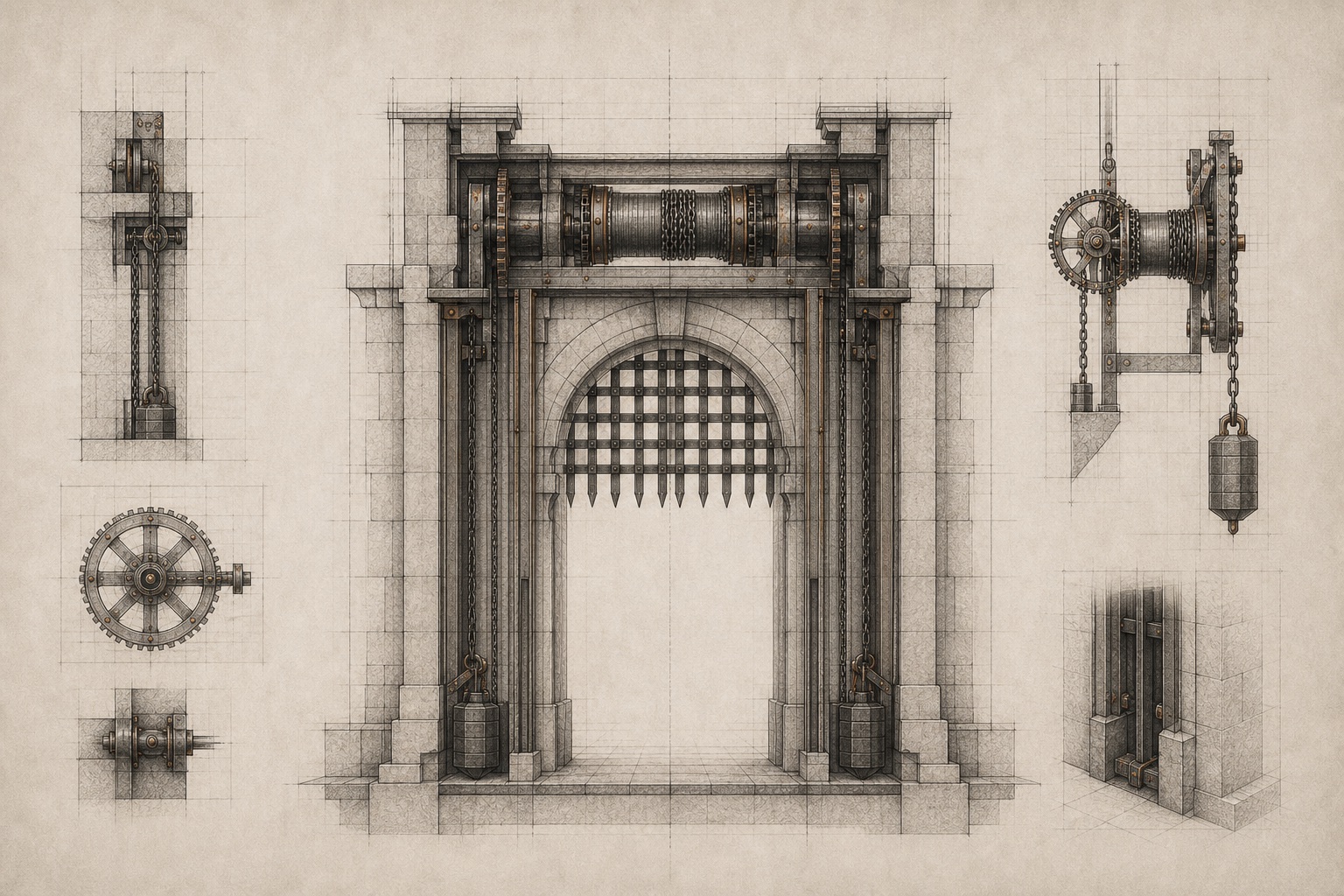
A rail does not need the whole internal design. It needs a verifiable reason to lift, hold, or refuse the gate when value reaches the threshold.
Holdgate gives wallets, stablecoin rails, gateways, contracts, custodians, exchanges, and enterprise systems an authority decision point for deciding whether to proceed with, refuse, freeze, or escalate autonomous settlement.
04 / Origin
Narrow by design.
Holdgate sits inside the Unit27 patent portfolio, but the system thesis is deliberately narrow: authority-conditioned settlement for autonomous agents moving money, high-value resources, or other settlement-conditioned value.
Patent-pending architecture. Strategic review through controlled conversation.
Strategic Access
Open the controlled brief.
For corporate development, partnership review, acquisition interest, or strategic evaluation of Holdgate. The public page stays high-level by design; deeper review is controlled.